Find a DBT Therapist for Addictions in Alabama
This page lists DBT clinicians across Alabama who focus on treating addictions using a skills-based, evidence-informed approach. You can browse local and online therapists trained in DBT to find a clinician who matches your needs.
Explore the listings below to compare credentials, therapy formats, and availability and to connect with a DBT provider in Alabama.



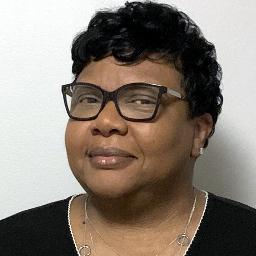
Gwendolyn Downing
LPC
Alabama - 41yrs exp









How DBT Addresses Addictions
If you are seeking treatment for an addiction, Dialectical Behavior Therapy offers a structured, skills-focused pathway that targets patterns that often maintain substance use and other addictive behaviors. DBT emphasizes building practical habits in four core modules - mindfulness, distress tolerance, emotion regulation, and interpersonal effectiveness. Mindfulness helps you notice urges and triggers without automatically acting on them. Distress tolerance teaches strategies to get through intense moments without turning to substances. Emotion regulation gives you tools to reduce the intensity and frequency of painful emotions that can fuel substance use. Interpersonal effectiveness helps you manage relationships and set boundaries in ways that reduce relational stress, which is often a driver of addictive behavior.
The DBT model treats addictive behavior as something that develops in a broader context of coping, emotion, and relationships. Rather than focusing only on stopping use, DBT helps you develop alternatives and build a life worth living. That means learning to observe cravings, use short-term coping strategies when cravings peak, and practice longer-term skills that change how you respond to stress and emotion.
Finding DBT-Trained Help for Addictions in Alabama
When you start looking for a DBT clinician in Alabama, you want to find someone who has specific training and experience applying the DBT model to addictions. Many clinicians in cities such as Birmingham, Montgomery, and Huntsville offer DBT-informed treatment, but training can vary. Look for therapists who describe DBT skills groups, individual DBT-informed therapy, and coaching availability as part of their approach. You can often learn about a clinician’s background from their profile, including whether they completed DBT-specific training, consultation team participation, or advanced workshops focused on substance use.
It is also useful to consider practical factors such as whether a therapist provides outpatient DBT in a community clinic, private practice sessions, or online sessions that accommodate your schedule. Providers in Mobile and Tuscaloosa may offer hybrid options - combining group skills training with individual sessions either in person or via video. If you live outside a major city, online DBT can connect you with skilled clinicians across Alabama who have experience treating addictions.
What to Expect from Online DBT Sessions for Addictions
Online DBT mirrors many components of in-person DBT but with the convenience of remote access. You can expect a combination of individual therapy sessions, weekly skills groups, and coaching between sessions. Individual therapy focuses on building a tailored treatment plan - identifying behavior patterns linked to substance use, prioritizing problem areas, and applying DBT strategies in your daily life. Skills groups provide direct instruction and practice in the four core modules - mindfulness, distress tolerance, emotion regulation, and interpersonal effectiveness - and they are an important place to learn and rehearse new responses to triggers.
Coaching is often offered to help you apply skills in the moment, for example during cravings or conflict. Coaching formats vary - some clinicians offer text or phone check-ins while others use scheduled brief calls. Online delivery can make it easier to join groups that fit your schedule and to access clinicians who specialize in addictions even if they are based in other parts of Alabama. You should expect a clear plan for safety and crisis response, regular skill practice assignments, and collaboration on measurable goals related to reducing use and building a more stable daily routine.
Evidence Supporting DBT for Addictions
Research on DBT has grown over the past decades and has been applied to a range of behavioral and emotional concerns, including co-occurring substance use. Studies suggest that a DBT approach can help people reduce high-risk behaviors, improve emotional control, and develop alternatives to substance use. Many clinicians in Alabama draw on this evidence when adapting DBT for clients whose primary concern is addiction, integrating relapse prevention strategies with DBT skills training. While outcomes depend on many factors - including treatment engagement, co-occurring conditions, and social supports - DBT offers a well-documented framework for working on the skills that often underlie addictive cycles.
Local programs often adapt DBT to regional needs, incorporating community resources and recognizing barriers you might face when accessing care in different parts of Alabama. If you live in a larger metro area such as Birmingham or Huntsville, you may find programs affiliated with clinics or community centers that offer standard DBT skills groups and clinician consultation teams. In smaller communities, an online DBT clinician can connect you to the same structured model while coordinating with local services as needed.
Tips for Choosing the Right DBT Therapist in Alabama
Choosing a therapist is a personal decision. Start by identifying the treatment format that fits your life - do you prefer weekly in-person sessions, online individual therapy with virtual skills groups, or a hybrid approach? Ask about the clinician’s experience specifically treating addictions with DBT and whether they participate in consultation teams, which is a marker of adherence to the DBT model. Inquire how they integrate the four DBT modules into treatment and what a typical week looks like for a client.
Consider logistical and relational fit. Ask about session length, frequency, fees, insurance participation, and cancellation policies. If you need flexible scheduling because of work or family commitments, ask whether they offer evening or weekend groups. Think about the therapeutic style that helps you engage - some clinicians are directive and skills-focused while others take a more exploratory approach. It is reasonable to request an initial consultation to get a sense of rapport and to clarify expectations about goals and progress tracking.
Make sure you understand how the clinician handles crisis moments and coaching between sessions, particularly if cravings or relapse are a concern. You might also ask whether they coordinate care with medical providers, support groups, or other services in cities like Montgomery or Mobile when integrated care would be helpful. A good match will feel practical, realistic, and respectful of your priorities.
Making DBT Work for Your Recovery Journey
DBT is not a quick fix, but it gives you a clear set of skills and a structured environment to practice them. If you are starting DBT for addictions, plan for regular attendance in both individual and group components if possible, and set small, measurable goals for skill use. Keep a focus on building tolerable steps - using distress tolerance when urges are intense, practicing emotion regulation techniques to reduce reactivity, and strengthening interpersonal skills to improve your support network. Mindfulness is the thread that helps you notice patterns and make deliberate choices rather than reacting automatically.
Where you live in Alabama will influence the practical aspects of treatment, but the underlying DBT skills are the same. Whether you are participating in a skills group in Birmingham, working one-on-one with a clinician in Huntsville, or engaging with an online provider from a rural community, the DBT framework can be adapted to fit your circumstances. Reach out to clinicians listed on this page to learn more about their approach and to find a match who can help you apply DBT skills to your recovery goals.