Find a DBT Therapist in Alabama
Welcome to our directory of DBT-trained online therapists serving Alabama. All therapists listed are licensed and trained in Dialectical Behavior Therapy - explore the profiles below to find a clinician who meets your needs.





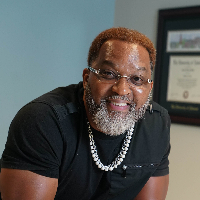
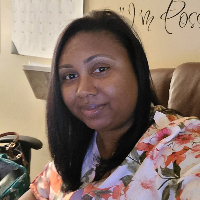
Gwendolyn Downing
LPC
Alabama - 41yrs exp

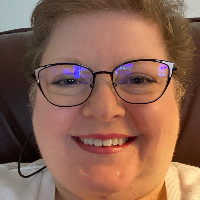






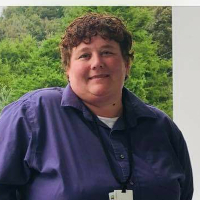

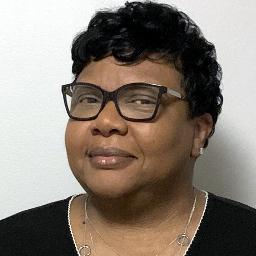



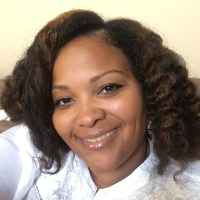


Overview of DBT therapy availability in Alabama
If you are considering Dialectical Behavior Therapy in Alabama, you will find clinicians offering DBT across urban and rural areas through online appointments. DBT-trained therapists include licensed counselors, social workers, and psychologists who focus on helping people develop practical skills for managing strong emotions and improving relationships. Online delivery has expanded access for many Alabamians who may previously have had to travel long distances to reach a clinician trained in DBT methods.
DBT is structured around a combination of individual therapy, skills training, and coaching as needed. In an online format you can often access both one-on-one sessions and group skills classes, which mirror in-person programs but with the convenience of attending from home. Many therapists maintain regular schedules for skills groups and individual sessions so you can build momentum in a consistent way.
Benefits of online DBT for Alabama residents
Online DBT offers several practical advantages if you live in Alabama. You can connect with clinicians who specialize in DBT without relocating or driving long distances - an important consideration in a state with large rural regions. Virtual sessions reduce time spent commuting and make it easier to balance therapy with work, school, or family responsibilities. Group skills training online can bring together participants from different communities, increasing the chances you will find a group that matches your schedule and needs.
Beyond convenience, online DBT can also make it simpler to integrate skills practice into daily life. You may be able to try a mindfulness exercise at home and then discuss how it felt with your therapist immediately afterward. If you have mobility constraints or caregiving responsibilities, online therapy can lower barriers to consistent participation. To get the most from virtual DBT, plan for a quiet, uninterrupted space and test your internet connection so sessions proceed smoothly.
Common concerns and conditions DBT therapists in Alabama address
DBT is commonly used to help people who struggle with emotion dysregulation, intense mood swings, and patterns of behavior that interfere with daily life. Clinicians trained in DBT also work with people who have engaged in self-harm behaviors or who experience chronic suicidal thoughts - they focus on reducing immediate risk while teaching skills to manage distress more effectively. In addition, therapists often apply DBT strategies for people coping with personality-related difficulties, co-occurring substance use, and mood disorders when emotion regulation is a central concern.
You can expect a DBT-informed clinician to assess your needs and explain how the therapy fits your situation. The approach emphasizes learning practical tools rather than relying solely on insight. If you have past experiences that make trusting new providers challenging, a skilled DBT therapist will work at a pace that feels manageable and will help you build skills step by step.
How DBT's core skills work in an online format
DBT's four core skill modules - mindfulness, distress tolerance, emotion regulation, and interpersonal effectiveness - translate well to online therapy. Each module teaches specific techniques you can practice between sessions, and virtual platforms allow therapists to share handouts, worksheets, and guided audio for practice. Whether you attend individual therapy or group skills classes, your clinician can demonstrate exercises, observe your practice, and troubleshoot challenges in real time.
Mindfulness
Online mindfulness practice often uses guided exercises that you can follow with your therapist or within a group. Therapists might lead brief meditations, breathing exercises, or awareness practices tailored to your daily routines. Because you are practicing in your own environment, you may find it easier to apply mindfulness to real-life moments - for example, noticing tension before a difficult conversation and using a short grounding exercise.
Distress tolerance
Distress tolerance skills teach ways to endure intense emotions without making situations worse. In virtual sessions, therapists can role-play crisis strategies and review a personalized plan you can use when you feel overwhelmed. Sharing real-time examples of triggers from your home life can help your clinician suggest concrete, immediately usable alternatives to impulsive behaviors.
Emotion regulation
Emotion regulation work includes identifying patterns, tracking mood changes, and learning strategies to influence emotion intensity. Online tools such as mood logs, screen-shared worksheets, and app-assisted tracking can support ongoing skill development. Your therapist will help you test strategies between sessions and refine approaches that fit your lifestyle and goals.
Interpersonal effectiveness
Interpersonal effectiveness focuses on communicating needs, setting boundaries, and maintaining relationships. Virtual role-play and feedback can be effective, as your clinician can observe how you describe real interactions and coach new language and behaviors. Practicing these skills in the context of your actual day-to-day environment makes generalization to real situations more likely.
How to verify a therapist's license in Alabama
Before beginning DBT with any clinician, you should confirm their licensure and professional standing. A therapist's profile will often include their license type and number. You can follow up by checking the appropriate Alabama licensing board for their discipline - for example the Alabama Board of Examiners in Counseling, the Alabama Board of Examiners in Psychology, or the State Board of Social Work Examiners. These boards commonly offer online license lookup tools where you can verify active status, see the license expiration date, and review any disciplinary records.
If you prefer, call the licensing board directly to confirm details or ask about the process for verifying someone who practices across state lines. When a therapist provides online services, it is reasonable to ask whether they are authorized to provide telehealth to clients located in Alabama and whether they carry professional liability coverage. A reputable clinician will be willing to answer these questions and provide documentation if needed.
Tips for choosing the right DBT therapist in Alabama
Choosing a DBT therapist is a personal decision that should consider both clinical qualifications and practical fit. Start by looking for clinicians who explicitly state DBT training and experience with the four skill modules. Ask about their experience working with issues similar to yours and whether they use a standard DBT protocol, individual therapy, group skills training, or a combination of these approaches. Inquire about the format of skills groups, how many participants are typically included, and what a typical session schedule looks like.
It is also important to consider logistical questions - whether the therapist accepts your insurance, offers sliding scale fees, and has openings that align with your schedule. For online therapy, ask about the technology they use and what support is available if you encounter technical problems. Think about personal fit as well - you should feel heard and respected during an initial consultation. If the first clinician you try does not feel like the right match, it is reasonable to try another provider until you find someone whose approach and communication style work for you.
Getting started
When you are ready to begin, review profiles to identify clinicians who list DBT training and then reach out to schedule an initial consultation. Use that meeting to ask about their DBT approach, how they measure progress, and what you can expect in the first several weeks of work together. With thoughtful selection and a commitment to practicing skills between sessions, online DBT can become a practical, accessible pathway to learning tools that help you manage emotions and navigate relationships more effectively.
If you have urgent safety concerns, contact local emergency services or a crisis resource in your area right away. Otherwise, take your time reviewing profiles, prepare a few questions for prospective clinicians, and choose a therapist whose expertise and schedule fit your needs.
Browse Specialties in Alabama
Mental Health Conditions (29 have therapists)
Addictions
39 therapists
ADHD
36 therapists
Anger
50 therapists
Bipolar
32 therapists
Depression
55 therapists
Disruptive Mood Dysregulation Disorder (DMDD)
12 therapists
Dissociation
6 therapists
Domestic Violence
16 therapists
Eating Disorders
12 therapists
Gambling
14 therapists
Grief
52 therapists
Guilt and Shame
45 therapists
Impulsivity
21 therapists
Isolation / Loneliness
40 therapists
Mood Disorders
32 therapists
OCD
18 therapists
Panic Disorder and Panic Attacks
31 therapists
Personality Disorders
18 therapists
Post-Traumatic Stress
28 therapists
Postpartum Depression
20 therapists
Seasonal Affective Disorder (SAD)
31 therapists
Self Esteem
54 therapists
Self-Harm
17 therapists
Sexual Trauma
13 therapists
Sleeping Disorders
21 therapists
Smoking
6 therapists
Social Anxiety and Phobia
33 therapists
Stress & Anxiety
58 therapists
Trauma and Abuse
46 therapists